It’s not IF, but WHEN your water heater acts up, deciding whether to repair it or replace it can feel overwhelming.
Water Heater Repair & Replacement
How to Tell If Your Water Heater Needs Repair or Replacement
Spotting the right warning signs early keeps your home comfortable and avoids bigger problems later. Key red flags include odd noises, temperature fluctuations, and any signs of leaking. Catching issues quickly usually means a simpler, less expensive fix.
Look out for these clear indicators:
-
Strange Noises: Popping, rumbling, or banging often means sediment buildup or other internal problems.
-
Temperature Fluctuations: If hot water comes and goes, the heating element or thermostat could be failing.
-
Leaks or Water Around the Unit: Pools or drips at the base usually point to a serious issue that needs immediate attention.
Noticing any of these signs is a good time to call a pro for an inspection.
When to Repair Instead of Replace
Choosing repair over replacement depends on the heater’s age, how bad the damage is, and whether repairs are cost-effective.
-
Cost-Effective Repairs: If the repair bill is much less than a new unit, repairing can be the smarter short-term choice.
-
Unit Age: For most heaters older than 10–15 years, replacement is often the better long-term move.
-
Scope of Damage: Minor, fixable issues can extend the unit’s life and delay replacement.
Tank or Tankless: Which Water Heater Is Right?
Choosing between tank and tankless depends on budget, space, and your household’s hot-water habits.
-
Tank Water Heaters: Lower upfront cost and simpler installs, but they take more space and lose heat while idle.
-
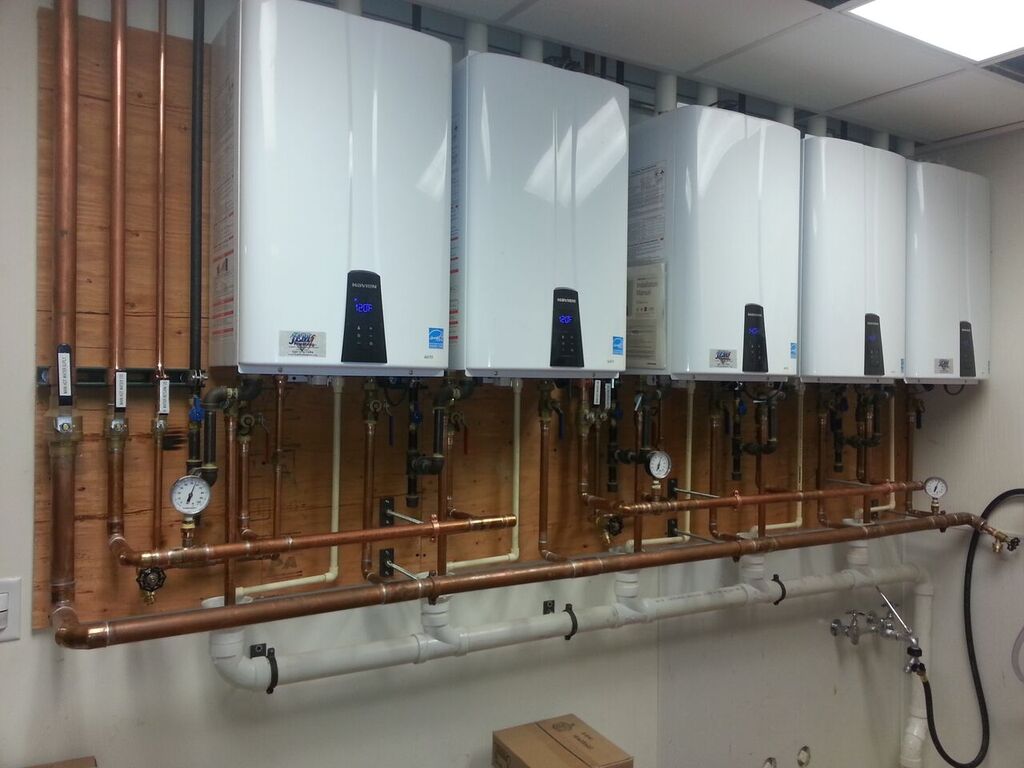
Tankless Water Heaters: Higher initial cost, but they deliver on-demand hot water and tend to use less energy over time.
Tankless units offer several practical advantages:
-
On-Demand Hot Water: Heats water only when you need it, so you’re less likely to run out.
-
Lower Energy Use: Better efficiency can translate to noticeable utility savings for many households.
-
Saves Space: Compact designs fit in smaller areas, freeing up storage room.
Energy efficiency matters for both your wallet and the environment:
-
Lower Monthly Bills: Efficient models cut energy use and can reduce utility costs over time.
-
Smaller Carbon Footprint: Choosing efficiency helps lower your home’s environmental impact.
-
Long-Term Value: Energy savings and improved performance can outweigh the higher purchase price over the unit’s lifetime.
Review energy ratings and estimated annual operating costs when comparing models to see which one pays off for your household.
Regular Maintenance Keeps Repair Bills Down
Staying on top of maintenance can save you from bigger headaches later:
-
Catch Problems Early: Routine checks spot small issues before they become costly repairs.
-
Extend Equipment Life: Proper care delays the need for full replacement.
-
Better Value: Regular maintenance is typically far cheaper than emergency repairs or early replacement.
JEM Plumbing’s Recommended Maintenance
To keep a water heater reliable, JEM Plumbing suggests a mix of professional service and simple homeowner checks:
-
Professional Service: Schedule yearly inspections and tune-ups with a licensed tech.
-
DIY Basics: Homeowners can monitor temperature settings, look for leaks, and test the pressure relief valve.
-
Recommended Frequency: Aim for at least one full check each year, with more frequent attention if your water is hard or the unit is older.
JEM Plumbing is a Preferred Installer for Navien Tankless Water Heaters and Boilers.

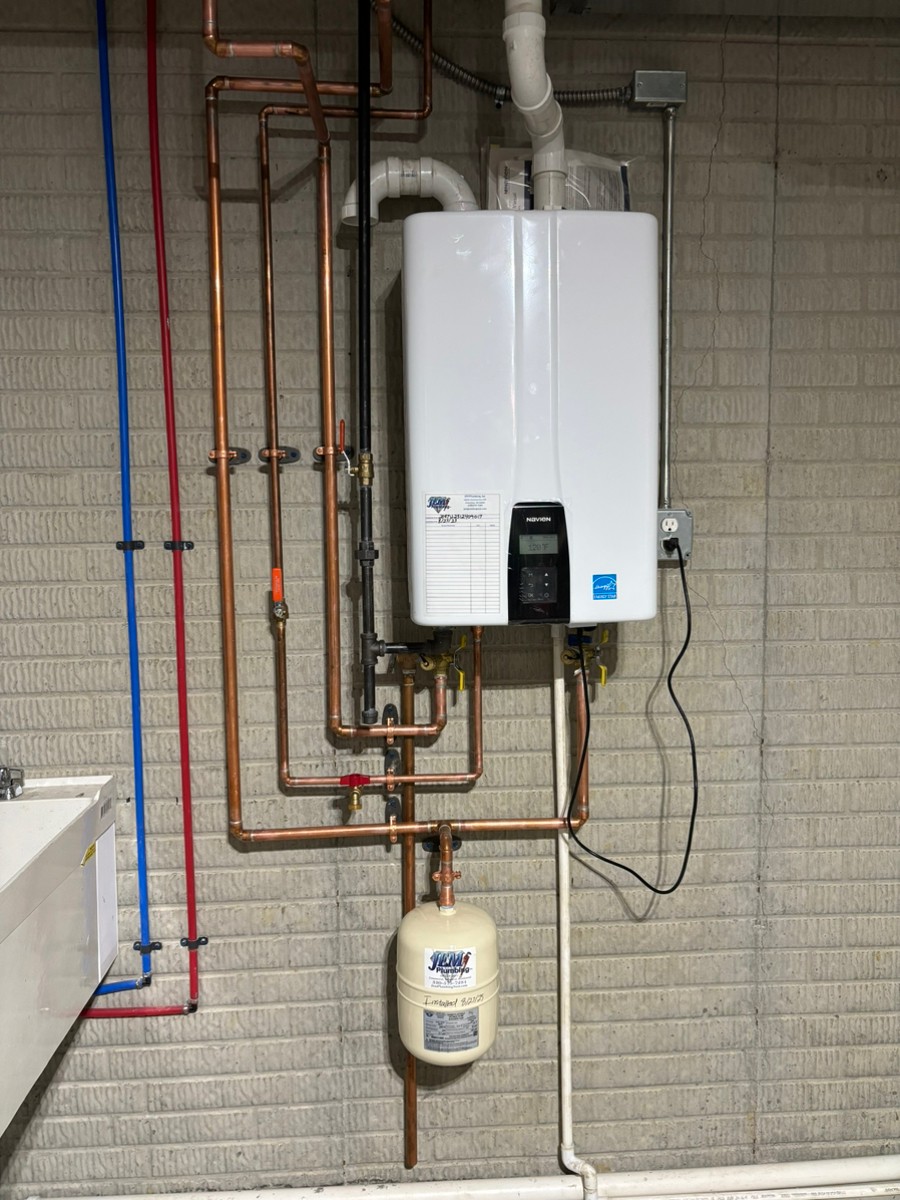
Tankless water heaters offer hot water on demand
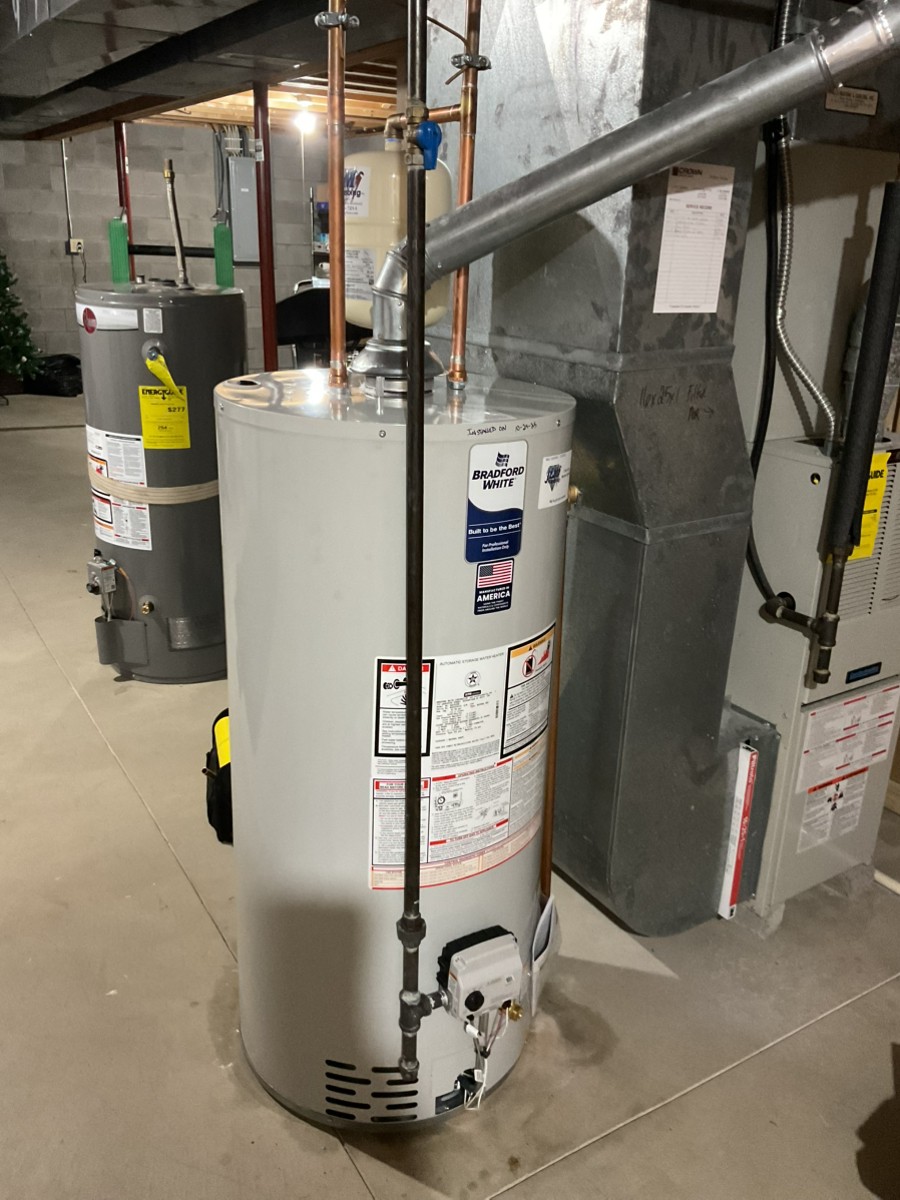
Traditional tank hot water heaters are ideal for larger households